
Losing a loved one is one of the hardest things a family goes through. In the middle of grief, paperwork, and family arrangements, there is often a property sitting empty that needs to be dealt with — and most people have no idea where to start.
This guide walks you through exactly what to do with a house when someone dies in New Zealand, from the first week through to sale. Whether you are the executor, a family member, or a solicitor’s client looking for practical guidance, this is your step-by-step starting point.
Who Is Responsible for the Property?
When someone dies, their estate — including any property they owned — is managed by the executor named in their will. If there is no will, the court appoints an administrator to fill this role.
The executor’s job is to administer the estate in accordance with the will and New Zealand law. This includes securing, maintaining, and ultimately selling or transferring any property. It is a significant legal and practical responsibility, often taken on by someone with no experience of doing it.
If you have been named executor and are unsure of your obligations regarding the property, a good first step is to contact the solicitor handling the estate — most New Zealand law firms handle estate administration regularly and can guide you through the process.
Week One — Secure the Property
In the first week after a death, the property needs to be secured. This means:
- Locating all sets of keys and knowing who has access
- Checking that the property is locked and secure
- Notifying the home insurer that the property is now unoccupied — many policies have conditions around vacant properties
- Redirecting mail if needed
- Ensuring the power, water, and gas remain connected — an empty property still needs basic services
- If there are pets at the property, arranging care immediately
- Getting touch with a company like Estate Solutions early on in the process can be a big help
It is also worth doing a brief walkthrough of the property in the first week to understand what you are dealing with — how much furniture and belongings are there, what condition the property is in, and what work might be needed before it can be sold.
Understanding Probate and the Property
In New Zealand, if the deceased owned property, the estate will usually need to go through probate — a court process that confirms the validity of the will and gives the executor legal authority to act.
Probate can take anywhere from a few weeks to several months depending on the complexity of the estate and the court’s workload. The property cannot usually be sold until probate is granted, which means there is often a waiting period before the sale process can begin.
During this time, the property still needs to be maintained, insured, and secured. Any rates, insurance premiums, or utility costs continue to accumulate as estate expenses.
Your solicitor will advise you on the probate timeline for your specific situation. In the meantime, use this period to plan and prepare the property — so that once probate is granted, you can move quickly to sale.
Assessing What Needs to Be Done
Once you have secured the property and have a sense of the probate timeline, the next step is to assess what work the property needs before it can go on the market.
Most deceased estate properties need at least some of the following:
- Clearance — removing furniture, personal effects, rubbish, and belongings that won’t be kept by the family
- Cleaning — a thorough professional clean after clearance
- Repairs — minor maintenance issues that have accumulated over the years
- Painting — interior repaint is one of the most cost-effective improvements before sale
- Garden tidy — overgrown sections significantly reduce kerb appeal
- Renovation — in some cases, updating kitchens, bathrooms, or flooring adds real value
The extent of work required depends on the property. A well-maintained home may need only a clean and tidy. A property that hasn’t been updated in decades may need more substantial work.
Getting a professional assessment of the property — from someone who understands both property preparation and the local market — is the most reliable way to know what to prioritise and what to leave.
Dealing With the Contents
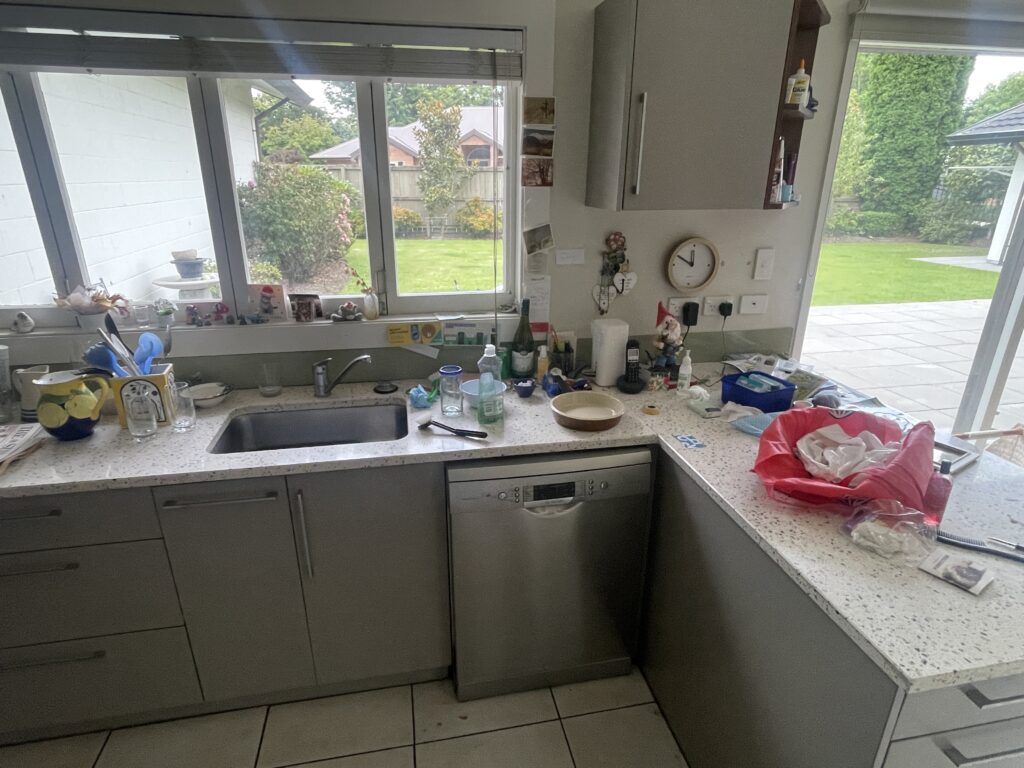
For many families, the most emotionally difficult part of managing a deceased estate is dealing with the contents of the home. Decades of belongings — furniture, clothing, photographs, personal items — need to be sorted, distributed, donated, or disposed of.
It helps to approach this in stages:
- Family items first — give family members the opportunity to identify and collect items they would like to keep, before clearance begins
- Items of value — furniture, artwork, jewellery, and collectibles may warrant a professional valuation before being sold or donated
- Donation — usable furniture and household goods can be donated to local Christchurch charities. Many will collect from the property.
- Disposal — everything else needs to be removed and disposed of responsibly
If the volume of belongings is large, or if the family is not local to the property, a professional clearance service can manage this entire process on the family’s behalf — sorting, donating, and disposing of everything so the family doesn’t have to.
Preparing the Property for Sale
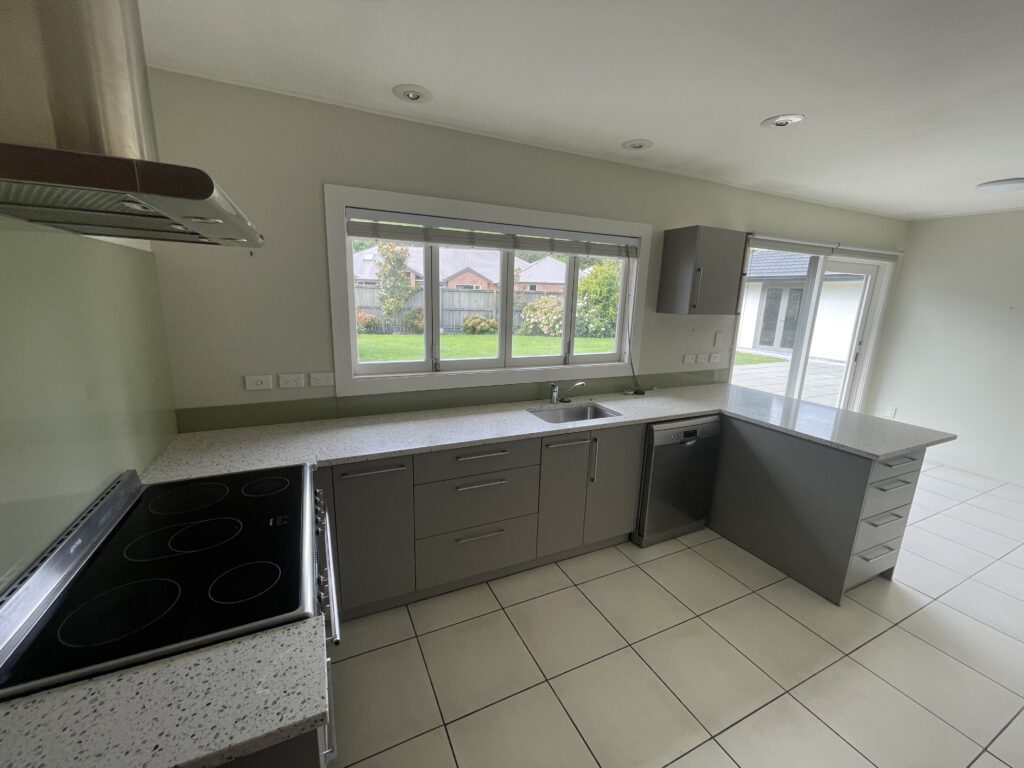
Once the property is cleared and cleaned, the focus shifts to presentation — getting it to a standard where a real estate agent can list it, photograph it, and attract buyers.
Your agent will advise on what the local market expects. In Christchurch, buyers generally expect a clean, well-maintained property — not a showroom, but not a project either. Minor repairs, a fresh coat of paint, and a tidy garden can make a significant difference to both the time on market and the final sale price.
The key is knowing what is worth doing and what isn’t. Some improvements have a strong return on investment. Others don’t add enough value to justify the cost. A good property preparation service will advise honestly on this — recommending only what makes financial sense for the estate.
Working With a Real Estate Agent
Once the property is prepared, your real estate agent will take over. In Christchurch, auction is the most common sale method for residential properties, though private treaty and deadline sale are also used.
Choose an agent with experience selling deceased estate properties — they will understand the executor’s responsibilities, the potential time pressures of probate, and the need for clear, regular communication with the estate.
Make sure the agent is aware of any legal deadlines and that their timeline for the listing and campaign works within the estate’s constraints.
How Estate Solutions can help.
Managing a deceased estate property is a significant undertaking — particularly for families who are grieving, time-poor, or based in another city. Estate Solutions exists to take that burden off your hands completely.
We visit the property, assess exactly what needs to be done, and provide a written, itemised quote within 48 hours. Once approved, we manage everything — clearance, cleaning, repairs, renovation, garden, and liaison with your agent — so the family’s only job is to make key decisions.
| Need help with a deceased estate property in Christchurch? Estate Solutions manages the entire process — clearance, cleaning, repairs, and preparation for sale. We visit the property, assess the scope, and provide a written quote within 48 hours. Free assessment, no obligation. Call us or get in touch at estatesolutions.co.nz/contact |